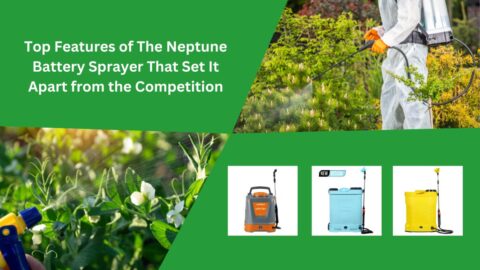

Choosing the right equipment is the backbone of efficient farming. Among the leaders in agricultural tools, the neptune battery sprayer has carved out a reputation for reliability and high performance. However, making a purchase is only the first step; understanding how to maintain your sprayer and when to upgrade its components is what ensures long-term ROI.
In this guide, we break down everything you need to know about Neptune’s support system, the great battery debate, and the essential maintenance schedule for your sprayer.
When you invest in a battery sprayer for agriculture, you aren’t just buying a plastic tank and a motor; you’re investing in long-term operational reliability.
1. Robust Warranty Coverage
Most Neptune sprayers come with a 6-month to 1-year warranty covering manufacturing defects in the pump and battery. This provides peace of mind, especially during peak spraying seasons when equipment reliability is critical.
2. Strong Service Network
One of the biggest advantages of Neptune products is their extensive service support system.
- Availability of Spares: Machines are designed using standardized components, ensuring easy access to washers, O-rings, switches, and nozzles.
- Trained Technicians: Authorized service centers can handle pump issues, motor circuit repairs, battery replacements, and pressure adjustments.
- Quick Assistance: With a wide dealer presence, most common issues can be resolved quickly, reducing downtime in the field.
Lead-Acid vs Lithium Battery Sprayers: Which Is Better for Agriculture?
Choosing between battery types depends on farm size, spraying duration, and budget.
| Feature | Lead-Acid Battery | Lithium-Ion Battery |
| Weight | Heavy (5–6 kg) | Lightweight (1–1.5 kg) |
| Charging Time | 6–8 hours | 1–2 hours |
| Lifespan | 300–500 cycles | 1,000+ cycles |
| Cost | Lower upfront | Higher upfront |
| Performance | Voltage drops gradually | Consistent pressure output |
The Verdict for Farmers
- Lead-Acid: Ideal for small farms and budget-conscious users.
- Lithium-Ion: Best for larger acreage and extended spraying sessions. It reduces operator fatigue and allows faster charging during breaks.
An agriculture spray machine with battery powered by lithium technology is especially beneficial for farmers who require uninterrupted performance throughout the day.
When to Replace Battery, Pump, Hose, or Nozzles
Sprayers operate under harsh chemical exposure. Replacing parts at the right time prevents sudden breakdowns.

1. Battery
Signs to Replace:
- Runtime drops significantly.
- Charging time increases abnormally.
- Battery fails to hold charge
Average Lifespan:
- Lead-Acid: 1–2 years
- Lithium-Ion: 3–5 years
2. Pump
The pump is the heart of your sprayer.
Replace if:
- You hear straining noises with poor spray output.
- Pressure drops even after cleaning filters.
- There is visible leakage from the pump housing.
3. Hose and Gaskets
Signs to Replace:
- Visible cracks or stiffening.
- Persistent leakage at joints.
- Chemical wear over time.
Pro Tip: Replace hoses and rubber seals annually to prevent unexpected leaks during critical spraying periods.
4. Nozzles
Nozzles directly affect spray uniformity and chemical efficiency.
Replace if:
- Spray pattern becomes uneven.
- Flow rate changes by more than 10%.
- Cleaning no longer restores proper performance.
Nozzles should be treated as consumable parts and replaced at the beginning of each major cropping season.
Maintenance Tips for Longevity
1. Triple Rinse
Always flush the sprayer three times with clean water after using pesticides or fertilizers.
2. Proper Storage
If unused for over a month:
- Store the battery at 50–70% charge.
- Keep in a cool, dry place.
- Avoid direct sunlight exposure.
3. Clean Filters Weekly
A clogged suction filter is one of the most common causes of pump failure.
4. Inspect Electrical Connections
Loose wiring or corroded terminals can reduce efficiency and should be checked regularly.
The 2026 Shift: Smart Spraying & IoT Integration
The biggest trend in 2026 is the transformation of the humble battery sprayer into an IoT-enabled “Smart Sprayer.” High-end models now use sensors to track flow rates and battery health in real-time via mobile apps, helping farmers reduce chemical waste by up to 20%. By combining Neptune’s reliable hardware with these precision tools, modern agriculture is moving away from blanket spraying toward a more sustainable, data-driven future.
Summary
Neptune battery sprayers combine affordability, durability, and dependable after-sales support. By selecting the right battery type and proactively replacing parts such as nozzles, hoses, and pumps, farmers can ensure consistent crop protection without downtime.
With proper maintenance and timely upgrades, your sprayer will continue delivering reliable performance season after season.
Frequently Asked Questions (FAQs)
1. How long does a Neptune battery sprayer last on a single charge?
A standard Neptune 12V 8Ah battery typically provides 4 to 5 hours of continuous spraying, while the 12Ah high-capacity models can stretch up to 6 to 8 hours. In 2026, many farmers are switching to Lithium-Ion versions, which not only charge faster (1–2 hours) but maintain consistent pressure even when the battery is nearly empty.
2. Why is my Neptune spray pump not building pressure despite the motor running?
This is usually caused by airlocks or clogged suction filters. First, check the filter at the bottom of the tank for debris. If that’s clear, ensure all hose connections are airtight. If the motor sounds weak, your battery voltage may have dropped below the required $12\text{V}$, signaling it’s time for a recharge or a battery health check.
3. Can I use the same Neptune sprayer for both herbicides and fertilizers?
Yes, but triple-rinsing is mandatory. To prevent cross-contamination (which could accidentally kill crops when you switch back from herbicide), use a specialized tank cleaner or a mild detergent solution. 2026 sustainability standards also recommend dedicated nozzles for different chemicals to ensure the droplet size is optimized for the specific task.